Key takeaways
- Terracotta, fiberglass, resin, wood, metal, concrete or fabric? Compare outdoor planter materials by weight, drainage, durability and upkeep.
Choosing a planter usually starts with how it looks, yet the material underneath that finish decides how the pot actually performs. It governs how long the planter survives outside, how quickly the soil dries between waterings, and whether roots come through winter unharmed. A pot that seems perfect on the shelf can still disappoint: clay splits after a hard freeze, thin plastic turns brittle under summer sun, and a stone planter may be nearly impossible to shift once it is filled with wet soil.
This guide is for anyone setting out containers on a patio, balcony, porch, or garden border, whether that means one statement pot beside the door or a whole row along a fence. It compares the main planter materials side by side, explains how each one handles weather, weight, drainage, and root temperature, and then matches materials to common outdoor situations, so the planter you pick suits both the plant and the place it will live.
As an Amazon Associate we earn from qualifying purchases
How to Choose
Weather Resistance and Your Climate
Outdoor planters face two main enemies: ultraviolet light and the freeze-thaw cycle. Sunlight slowly degrades many plastics and fades painted finishes, while water absorbed into porous walls expands as it freezes and can crack clay or concrete from the inside. In a mild climate almost any material survives for years, but in regions with hard winters, frost resistance becomes the deciding factor. Fiberglass, quality resin, and metal shrug off both sun and frost. Terracotta and low-fired ceramic are the most vulnerable and often need winter storage or a sheltered spot.
Weight, Empty and Filled
A planter’s listed weight is only the starting point, because moist potting mix and a mature plant add far more than most people expect. A large concrete or stone pot can become effectively permanent once planted, which is fine beside a driveway but a real problem on a deck with load limits or a balcony that must be cleared for maintenance. Fiberglass, resin, and fabric sit at the light end of the scale and can be repositioned season by season. Wood and terracotta fall in the middle. Decide first whether the planter will ever need to move.
Drainage and Moisture Behavior
Materials differ sharply in how they handle water. Porous walls such as terracotta and unglazed concrete wick moisture out of the soil, so plants dry faster and need more frequent watering, which suits Mediterranean herbs and succulents. Sealed materials like glazed ceramic, metal, and plastic hold moisture longer, helping thirsty plants but raising the risk of waterlogged roots if drainage holes are missing or blocked. Whatever the material, a planter without a drainage hole needs a liner or a generous gravel layer, and pots should sit on feet so water can escape freely after heavy rain.
Root Insulation and Temperature Swings
Roots dislike extremes, and wall thickness is what buffers them. Thick concrete, wood, and double-walled resin smooth out the daily swing between hot afternoons and cool nights. Thin metal does the opposite: a dark steel planter in full sun can heat the soil at the edges enough to stress roots, while the same pot chills quickly after sunset. Terracotta breathes and cools the root zone through evaporation, a genuine advantage in hot climates. If a planter will sit in all-day sun, favor thick or light-colored walls and keep thin metal for shaded corners.
The Materials, Compared
Terracotta
Terracotta is unglazed fired clay, recognizable by its warm orange color and matte finish. Its porous walls pull moisture from the soil and let it evaporate, which keeps roots aerated and makes overwatering less likely, a real benefit for herbs, lavender, and succulents. The trade-offs are weight, fragility, and frost: absorbed water expands in freezing weather and can flake or split the pot, so terracotta often needs emptying and storing under cover for winter in cold regions. It also develops a white mineral crust and a natural patina over time, which many gardeners like. Expect a shorter outdoor life than most alternatives, balanced by a low cost and classic look.
Glazed Ceramic
Glazed ceramic starts as clay but is sealed with a fired, glass-like coating that makes the walls largely waterproof. That glaze slows moisture loss compared with terracotta, holds color well, and opens up a wide range of finishes for decorative planting near entrances and seating areas. Ceramic planters are heavy and can chip if knocked, and like terracotta they risk cracking in hard freezes, especially if water sits in the soil and expands. Drainage holes are not always present on decorative pieces, so check before planting directly. Used in a sheltered spot or a mild climate, a well-made glazed pot lasts for many seasons.
Fiberglass
Fiberglass planters are made from glass fibers set in resin, then finished to imitate stone, metal, or terracotta convincingly. They are the lightweight champions among rigid planters: a large fiberglass pot can be carried by one person yet still looks substantial once planted. The material does not rot, rust, or crack in frost, and quality finishes resist fading for years, so fiberglass handles exposed, unsheltered positions better than most. It insulates roots reasonably well and usually includes or allows drainage holes. The main cautions are that thin, cheaply made versions can flex or feel flimsy, and strong knocks may damage the surface finish.
Resin and Plastic
Resin and plastic planters cover a wide quality range, from thin bargain pots to thick, rotationally molded resin designs built for decades outside. All are light, inexpensive to ship, and easy to drill for extra drainage. Better resin includes ultraviolet stabilizers that slow the brittleness and fading that eventually affect plastic left in the sun. Double-walled resin models add useful insulation for roots and hold their shape in frost. Single-wall economy pots, by contrast, may crack after a few seasons of weather. Resin rarely looks quite as convincing as fiberglass up close, but for utility planting, window boxes, and large lightweight containers it is hard to beat.
Wood
Wood brings a natural warmth that suits informal gardens, raised planters, and window boxes. Cedar and teak resist rot far longer than pine or spruce because of their natural oils, though even they gray and slowly soften after years of contact with damp soil. A plastic or fabric liner inside a wooden planter greatly extends its life by keeping wet mix off the timber. Wood insulates roots well against both heat and cold, and planters can be built or bought in long trough shapes that other materials rarely offer. Weight sits in the middle range. Expect to re-oil or accept a weathered silver finish as part of the look.
Metal
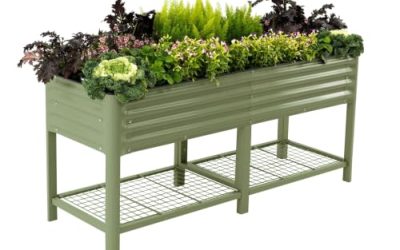
Metal planters include galvanized steel, corten steel, aluminum, and zinc, each with a distinct finish. Aluminum is light and will not rust, galvanized steel is tough and economical, and corten develops a stable rust-colored surface that suits modern gardens. The shared weakness is temperature: thin metal walls transfer heat and cold straight to the root zone, so metal performs best in shade, in mild climates, or with an insulating liner in sunny spots. Unprotected steel can eventually rust through at the base, and sharp edges on cheaper planters are worth checking. For a crisp architectural look that lasts, metal remains a strong choice when heat is managed.
Concrete and Stone
Concrete, cast stone, and hypertufa planters are the heavyweights, and their mass is both their virtue and their drawback. Thick walls give roots excellent insulation, the pots cannot blow over, and the material weathers slowly into a settled, permanent look. In exchange, a large filled concrete planter is essentially fixed in place, and delivery alone can be a project. Concrete is porous, so it wicks some moisture and can crack if water freezes inside the walls, though dense, well-cured mixes resist this for many years. New concrete can also leach alkalinity into soil at first, which fades with weathering and rarely troubles established plantings.
Fabric
Fabric planters, often called grow bags, are made from breathable geotextile felt. Air reaches the roots through the walls and prunes root tips, which encourages a dense, fibrous root system instead of circling roots, and excess water drains freely. They weigh almost nothing, fold flat for storage, and suit renters, balconies, and anyone trialing a layout before committing to permanent pots. The compromises are rapid drying in hot or windy weather, a soft appearance that will not suit formal settings, and a limited lifespan, since the fabric eventually weakens under sun and repeated wetting. Most gardeners treat them as a few-season solution rather than a permanent fixture.
Which One Fits Your Situation
A Sunny, Hot Patio
Heat is the enemy here, so choose materials that buffer roots rather than cook them. Thick-walled resin, fiberglass, or light-colored concrete keep soil temperatures steadier through the afternoon, and terracotta’s evaporative cooling helps if you can keep up with the extra watering it demands. Avoid thin, dark metal in all-day sun unless you add a liner and group pots together for mutual shade.
A Cold Climate With Hard Winters
Frost rules out leaving terracotta and glazed ceramic outside filled with wet soil, since absorbed water expands and cracks them. Fiberglass, quality resin, and metal survive freeze-thaw cycles with far less risk, and fabric bags can simply be emptied and stored flat. If you love clay pots, plan on moving them into a garage or shed before the first hard freeze each year.
A Balcony or Rooftop With Weight Limits
Every kilogram counts when a structure carries the load, so fiberglass, resin, and fabric are the sensible shortlist. They deliver large planting volumes at a fraction of the weight of stone or ceramic, and they can be lifted down for building maintenance without help. Spread several lighter pots along load-bearing edges rather than clustering one heavy planter in the middle of the span.
A Low-Maintenance Garden
If watering and upkeep time are scarce, pick sealed, durable materials that hold moisture and ask little in return. Glazed ceramic and double-walled resin slow evaporation, fiberglass needs no treatment and shrugs off weather, and large volumes of soil in any material dry out more slowly than small pots. Skip bare wood that needs oiling and terracotta that demands frequent watering through summer.
Common Mistakes
- Choosing by appearance alone and ignoring frost, which cracks terracotta, ceramic, and porous concrete left outside with wet soil through winter.
- Buying a planter with no drainage hole and planting directly into it, leaving roots sitting in water after every heavy rain.
- Underestimating filled weight, then discovering a concrete or stone pot cannot be moved for cleaning, repairs, or a change of layout.
- Placing thin, dark metal planters in full sun, where the walls heat the outer soil and stress roots on hot afternoons.
- Filling a very large planter entirely with potting mix instead of using a liner or false bottom, which wastes soil and adds needless weight.
Frequently Asked Questions
Which planter material lasts longest outdoors?
Dense concrete, stone, and quality fiberglass generally outlast everything else, often by decades, because they resist rot, rust, and frost damage. Metal can also last many years, especially aluminum and galvanized steel kept off permanently wet ground. Lifespan depends heavily on climate and care, but thin plastic and untreated softwood sit at the short-lived end of the range.
Do metal planters get too hot for plants?
They can in the wrong spot. Thin metal walls conduct heat quickly, and a dark steel pot in full afternoon sun may warm the outer layer of soil enough to stress roots. The problem is manageable: choose light colors, place metal in partial shade, or fit an inner liner with an air gap, and most plants grow perfectly well.
Is terracotta a good choice for outdoor plants?
Terracotta suits plants that prefer drier soil, such as herbs, lavender, and succulents, because its porous walls let moisture escape and air reach the roots. It is a weaker choice where winters are hard, since absorbed water can freeze and split the pot, and thirsty plants in terracotta need noticeably more frequent watering through summer.
Can fabric planters stay outside all year?
Yes, within limits. Fabric grow bags drain freely and tolerate frost without cracking, and many gardeners leave them in place through winter. The fabric does degrade gradually under sunlight and repeated wetting, so expect a few seasons of service rather than a decade. Emptying, drying, and storing them over winter extends their useful life considerably.