Key takeaways
- Find the best wall planters for small spaces. Compare materials, mounting, drainage and sizes for herbs, succulents and trailing plants indoors and outdoors.
As an Amazon Associate we earn from qualifying purchases.
A wall planter looks simple until you try to live with one, because the real decision is not which shape looks nicest. It is whether the planter will stay fixed to your wall, hold enough soil for the plant you want, drain without marking the surface below, and still be easy to water once it is above eye level. A shallow pocket that suits a succulent will starve a basil plant, while a deep wooden panel that suits a fern may be far too heavy for a plasterboard wall.
This guide is for renters who want greenery without drilling, apartment dwellers who have run out of floor and shelf space, balcony gardeners who want herbs within reach of the kitchen, and homeowners who want a living wall beside a door or on a fence. It compares wall planter types by mounting, material, size, drainage and watering, so you can match the design to your wall, your light and the plants you intend to grow.
How to Choose
Mounting and Wall Strength
Start with the wall, not the planter, because the fixing decides what you can safely hang. A solid brick or concrete wall can take screws and wall plugs, while plasterboard needs special fixings or a stud, and a fence panel needs screws that will not split thin timber. Check the combined weight of the planter, wet soil and a mature plant, then check the fixing in the box. A small ceramic pocket may hang from one nail, but a row of six filled pockets needs several fixings spread across the width. If you rent, look for adhesive hooks, tension rails or hooks over a balcony rail, and confirm the stated weight limit before you load them.
Material and Weather Exposure
Material decides how a wall planter ages, how much it weighs and where it can live. Metal pockets suit a farmhouse or industrial look and resist knocks, but thin metal can heat up in direct sun. Wood brings warmth to a hallway or balcony, yet untreated timber absorbs moisture and can warp, so look for heat-treated or sealed wood outdoors. Plastic and resin are light, easy to clean and practical for a large arrangement, although pale colours can stain and thin plastic can become brittle after long sun exposure. Ceramic looks refined indoors and holds moisture well, but it is heavy and fragile. Glass suits cuttings in water, but it offers no soil depth for most herbs.
Size, Depth and Drainage
Pocket depth is the quiet limit on what will thrive. A pocket around four inches deep suits succulents, small ferns and trailing cuttings, while herbs such as basil, mint and parsley need more soil volume to stay moist between waterings and to develop roots. A wide, shallow trough looks generous but dries quickly at the edges, so a deeper, narrower pocket often performs better. Drainage matters just as much. A hole in the base protects roots from sitting in water, but it also means runoff on an indoor wall, so indoor designs need a tray, a reservoir or a liner that catches excess water. Outdoors, drainage holes are usually welcome.
Plant Type and Watering Routine
Choose the planter around the plant and the watering habit you will honestly keep. Succulents and air plants need little water and shallow soil, so a small pocket, a ceramic wall pot or a glass vase can work well. Herbs need regular water, good drainage and enough sun, so a self-watering pocket or a deeper trough with a reservoir suits a kitchen wall or a balcony. Trailing plants such as pothos and ivy need room for stems to fall without tangling, plus a fixing that will not pull loose. Ferns prefer shade and steady moisture, which makes a lined basket a better match than an open metal frame. If you travel often, favour a reservoir design.
Which One Fits Your Situation
A Small Apartment With No Floor Space
Pick a slim, lightweight set of wall pockets or a vertical panel on a rail, because it adds greenery without taking a shelf or a table. Choose shallow pockets for succulents and trailing plants, keep the total weight low, and place the arrangement where you can reach it with a watering can without a step stool. A catch tray protects the wall below. Avoid heavy ceramic pots on plasterboard, and avoid a wide panel that blocks light.
A Sunny Balcony or Fence Herb Garden
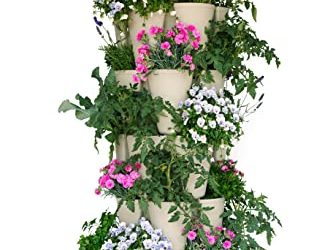
Pick a row of deeper, self-watering pockets or a stackable vertical planter that mounts firmly to a fence or a rail, because herbs need soil depth, sun and regular water. Space pockets so each plant gets light and air, and leave a gap below for drainage to fall clear of seating. Metal or sturdy plastic copes well with wind and rain. Plant basil, mint and parsley in separate pockets, since mint spreads fast and will crowd slower neighbours.
A Rental Where Drilling Is Limited
Pick an adhesive-hook design, a hanging rail, a tension-mounted frame or a planter that hooks over a balcony rail, because each avoids permanent holes in the wall. Check the adhesive rating for the combined weight of planter, wet soil and plant. Lightweight pockets are safer here than ceramic, and fewer plants are easier to remove at the end of a tenancy. Keep a tray behind each pocket, because a leak mark can cost more to repair than the planter.
A Shaded Entryway or Bathroom With Trailing Plants
Pick ceramic wall pots, glass propagation vases or lined metal pockets, because these suit low light and humidity rather than a large harvest. Trailing pothos and ivy look best when they can fall freely, so hang them high enough to clear a door or mirror. Choose a design that is easy to lift down for watering. Avoid deep herb troughs here, because most culinary herbs need more direct sun than a shaded entryway can provide.
Common Mistakes
- Hanging a planter before checking the wall. Many buyers choose a style first and discover later that the wall cannot hold it, the fixings do not line up with a stud, or the adhesive fails once the soil is wet. A plasterboard wall, a tiled bathroom wall and a thin fence panel each need a different fixing, and a single nail that holds an empty pocket may not hold the same pocket after watering. Measure the wall, find the stud or the solid section, check the combined weight of planter, soil and plant, and test the fixing with a similar load before you commit to a full row. A planter that falls can damage the wall, break the pot and injure a plant that took months to grow, so a few minutes spent checking the fixing is time well spent.
- Choosing a pocket that is too shallow for the plant. A succulent can thrive in a few inches of soil, but basil, mint, parsley and most flowering plants need depth for roots and moisture. When the pocket is too shallow, the soil dries within a day, roots stay cramped, growth stalls and the plant needs watering far more often than the buyer expected. The result is usually blamed on the plant or the light, when the real cause is the container. Match the depth to the plant, not to the photograph, and remember that a narrow opening makes the problem worse, because it is hard to add soil or to repot a root-bound plant without removing the whole planter from the wall and disturbing its roots.
- Forgetting where drainage water will go. A drainage hole protects roots, but the water has to fall somewhere, and on an indoor wall that somewhere is often paint, wallpaper, a wooden floor or a piece of furniture. Buyers who hang an outdoor-style planter indoors without a tray, a liner or a reservoir often discover a damp mark weeks later, by which time the wall has already stained. Outdoors the same mistake can leave a wet patch on a seat, a step or a path. Decide the drainage plan before you hang the planter, and if the design has no tray, add a liner, a catch dish or a reservoir insert that suits the location and the amount of water the plant needs.
- Planting herbs together that need different care. A single trough looks tidy, but mint, basil, rosemary and parsley do not share the same appetite for water, sun and space. Mint spreads through shared soil and crowds slower neighbours, rosemary prefers drier soil than basil, and a tall plant can shade a shorter one until it weakens. Grouping plants by need is more useful than grouping them by appearance, so give aggressive growers their own pocket, keep sun-loving herbs together, and keep shade-tolerant plants in a separate arrangement. Separate pockets also make it easier to replace one plant without disturbing the roots of the others, and they let you move a struggling plant to better light without rebuilding the whole display.
- Placing a wall planter where it cannot be watered or reached. A planter hung above a tall cabinet, behind a door or at the top of a stairwell may look striking, but it will be watered less often, checked less often and pruned less often than one at a comfortable height. Water can also spill on the way up, and a heavy planter is awkward to lift down for repotting. Choose a height where you can see the soil, reach the pocket with a watering can and lift the planter down without a ladder. If the only free wall is high, choose a smaller, lighter design or a self-watering pocket, and keep a small watering can nearby so the task stays quick rather than becoming a chore you keep putting off.
Frequently Asked Questions
How much soil depth does a wall planter need?
Most succulents and small trailing plants manage in a pocket around four inches deep, while herbs such as basil, mint and parsley need deeper soil to hold moisture and support root growth. A deeper pocket also gives you more time between waterings, which matters on a warm balcony or sunny kitchen wall. Check the internal depth rather than the outside height, because a thick rim can mislead you.
Can wall planters be used outdoors all year?
Many metal, plastic and treated-wood designs are made for outdoor walls, fences and balconies, but they still need the right placement and care. Direct sun can dry soil quickly and heat thin metal, while frost can crack ceramic. Move tender plants indoors before a cold snap, check fixings after strong wind, and keep drainage holes clear so rain does not leave roots sitting in water.
Do wall planters need drainage holes?
Drainage holes help most soil-grown plants, because they let excess water escape and reduce the chance of roots sitting in wet soil. Indoors, however, a hole needs a tray, a liner or a reservoir to catch runoff and protect the wall below. Glass propagation vases and some self-watering designs work without a conventional hole. If a planter has no hole and no reservoir, water sparingly.
How do I hang a wall planter without damaging the wall?
Use the fixing that matches your wall, and avoid drilling when a lighter option will hold the load. Adhesive hooks suit light plastic or fabric pockets on smooth, clean surfaces, while a rail avoids holes altogether. For heavier planters, use wall plugs in solid walls or fixings made for plasterboard, and spread the load across more than one fixing. Test the fixing with a similar weight first.