Key takeaways
- Four verified seed picks for box planters and window boxes: trailing petunia and lobelia, compact marigold and fragrant alyssum, with sowing and zone notes.
As an Amazon Associate, we earn from qualifying purchases made through links on this page.


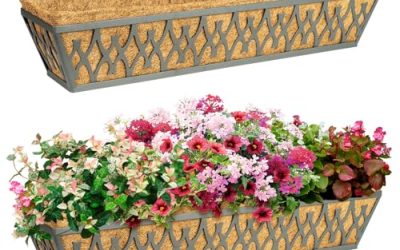
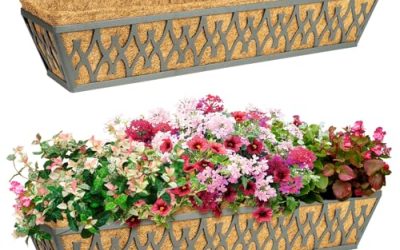
A box planter, whether it hangs under a window, sits on a railing or lines a porch step, is a demanding place for a flower to live. The soil volume is small, the root zone heats up fast in afternoon sun, and the mix dries out far sooner than a garden bed does. Flowers that thrive in that shallow strip share a few traits: a compact or trailing habit that stays in proportion to the box, roots that tolerate tight quarters, and a bloom period measured in months rather than weeks. This guide collects four flowers that fit that profile and that you can grow yourself for the exact box you own.
One point of format needs stating up front. Every product in this roundup is a packet of seed from a named seed company, not a grown plant. That is deliberate. Box planters vary so much in length and depth that shipped plants rarely match the spacing a box needs, while seed lets you sow at the density your container can support and raise spares for gaps. Each entry below states the seed count, the sowing window the seed company gives, and the hardiness framing on the packet, so you can plan backwards from your last frost date. Where a famous box flower could not be matched to a verified listing, it is named in the guidance section without a link rather than attached to a guess.
What to look for
Habit comes first. A good box combines three roles. Upright, mounding flowers give the display its body. Trailing flowers spill over the front edge and soften the line of the box. Low, spreading flowers weave between the others and cover bare mix. Buying one packet of each type, rather than four packets of one type, is what makes a box look planted instead of dotted.
Match mature height to box depth. Most window boxes hold six to eight inches of mix. Flowers that finish under about twelve inches tall suit that depth; tall bedding plants lean, shade their neighbours and exhaust the limited soil. Every pick below finishes in the four-to-twelve-inch band the seed companies publish, or trails instead of climbing.
Count backwards from your last frost. Tender annuals for boxes are usually sown indoors weeks before they move outside, because the plants need to be sturdy before they face wind on a railing. The lead times differ a lot by species: petunia and lobelia need a long indoor runway, marigold needs a short one, and alyssum can go either way. The packet directions quoted in each entry are the seed company’s own numbers.
Understand the zone framing. Three of these flowers are annuals, grown for one season in nearly every USDA zone and planted again the next spring; the zone ranges printed by the seed companies describe where they grow well during that season, not where they survive winter. Alyssum is the partial exception, since it can behave as a short-lived perennial in the mildest zones the brand lists. If you garden where frost comes early, the indoor sowing dates matter more than the zone range.
Check the seed form. Petunia and lobelia seed is dust-fine and is sown on the surface, never buried. Pelleted petunia seed, coated so each seed can be handled and spaced, removes much of the fiddliness for small boxes. Marigold seed is large and easy to place one by one. Alyssum seed is tiny but is sown thickly on purpose, so precision matters less.
The picks
1. Burpee Purple Wave Petunia — the spiller
Burpee Purple Wave Petunia seeds on Amazon
If a box gets one trailing flower, the Wave petunia is the classic choice, and Burpee’s Purple Wave is the original spreading variety in that line, sold as a packet of 15 pelleted seeds (Burpee model 39933A). The plants spread outward and cascade over the front of the box instead of growing up, which is exactly the silhouette a window box needs, and the purple blooms keep coming from early summer until frost cuts them down. Because the seed is pelleted, each of the 15 seeds can be placed deliberately in a cell tray, an important detail when a packet holds so few.
Burpee directs growers to sow indoors about eight weeks before the average last frost date and to transplant out after frost, and petunia seed needs light and warmth to germinate, so the tray belongs on a bright sill or under a lamp rather than in a dark cupboard. In the box, give each plant room: a spreading petunia wants roughly a foot of frontage, so a standard box takes two or three plants with fillers between them, not a crowded row.
Who it suits: sunny boxes in full sun, and growers patient enough for the long indoor lead time. Limitations, from the spec: 15 pelleted seeds is a small count with no spare for failed germination, and the variety is a single colour, so a mixed display needs a second packet or a companion pick from this list.
2. Seed Needs Cascade Mixture Lobelia — the trailing edge
Seed Needs Cascade Mixture Lobelia seeds on Amazon
Lobelia is the flower that stitches a box together, pouring a fine curtain of small blooms over the edge between the bigger plants. The Seed Needs Cascade Mixture (Lobelia pendula) holds about 5,000 heirloom seeds in the packet, in a mix of blue, red, white and purple, and the trailing stems are listed at six to eight inches, long enough to clear the front face of a typical box without dragging on the ground below. Seed Needs positions it directly for hanging baskets, pots, containers and window boxes.
The company directs sowing indoors eight to ten weeks before the last frost, in full sun to partial shade conditions once outside, with blooms running from early summer into fall. Lobelia seed needs light to germinate and the seedlings are thread-thin for their first weeks, so sow on the surface of fine mix, keep it evenly moist, and prick out small clumps rather than single seedlings. In the box it is happiest where the mix never fully dries, which makes it a good partner for a self-watering box or a box under a drip line.
Who it suits: boxes in sun or partial shade that get regular water, and anyone who wants a soft, mixed-colour edge. Limitations, from the spec: the long indoor lead time is the joint-longest in this roundup, the colour mix cannot be controlled plant by plant, and lobelia sulks and pauses flowering in hot, dry spells if the shallow mix dries out.
3. Outsidepride French Marigold Mix — the upright filler

Outsidepride French Marigold seeds on Amazon
French marigolds are the workhorse upright flower for small containers: compact, bushy, and in flower for an unusually long stretch. This Outsidepride packet (manufacturer part OUT-1934) holds 1,000 seeds of a Tagetes patula mix in yellow, orange and red, and the company lists finished plants at seven to twelve inches tall, squarely inside the height band a six-to-eight-inch-deep box can support. Outsidepride gives a USDA framing of zones 3 to 10 for the growing season and describes bloom running through spring, summer and fall in warm conditions.
Marigold is also the forgiving pick for timing. The seed is big enough to handle individually, germinates quickly in warm mix, and can be sown indoors a few weeks before the last frost or directly in the box once nights are mild, which makes it the natural gap-filler when another flower fails. It wants full sun and moderate watering, and it tolerates the hot, reflected heat of a wall-mounted box better than most annuals. Deadheading spent blooms keeps new buds coming, though even a neglected plant usually keeps some colour.
Who it suits: hot, sunny boxes, beginners, and anyone filling gaps late in the planting window. Limitations, from the spec: the habit is upright and mounding, so it contributes no trailing effect and needs a spiller beside it; the mix is limited to the warm yellow-orange-red range, and 1,000 seeds is far more than any box needs, so the packet is really a multi-season supply that must be stored cool and dry.
4. Outsidepride Oriental Nights Alyssum — the fragrant ground cover

Outsidepride Oriental Nights Alyssum seeds on Amazon
Sweet alyssum does the quiet work in a box: a low, spreading mat of tiny honey-scented blooms that covers the mix, keeps the surface shaded and spills a short fringe over the edge. Oriental Nights is Outsidepride’s purple-flowered version (manufacturer part OUT-1039), sold as a 5,000-seed packet, with plants listed at four to twelve inches tall and a spring planting window. The company gives germination at seven to twenty-one days and a USDA framing of zones 3 to 9, and notes drought tolerance once plants are established, a useful trait in a shallow box that dries from the top down.
Sow the fine seed thinly on the surface indoors a few weeks before the last frost, or directly in the box after frost, and expect a fast carpet rather than individual specimen plants. Alyssum often pauses in the hottest weeks; the standard remedy, shearing the mat back lightly and watering, brings a second flush as nights cool, and in mild areas plants can carry on far longer than the summer annuals around them. The purple colouring of this variety pairs well with the white and blue lobelia above and gives a darker note than the usual white alyssum.
Who it suits: boxes where fragrance near a window or door matters, dry and sunny sills, and gardeners who want the soil surface covered quickly. Limitations, from the spec: the 5,000-seed count is ground-cover scale, so most of the packet goes to storage or other containers; the plants are low and fine-textured, contributing scent and coverage rather than bold colour, and the purple shade is fixed.
Famous box flowers not linked here
Geraniums, impatiens, begonias and pansies are all proven box-planter flowers, and zonal geraniums in particular are the traditional window box plant in much of Europe. This roundup only links products whose Amazon US listing and seller details could be verified through independent records at the time of writing, and no listing for those four flowers met that bar during this research session, so they are named here as options to look for at local nurseries and garden centres, where they are commonly sold as young plants in spring. A nursery-grown geranium or impatiens in a small pot is often the practical route for those species anyway, since geranium seed has a long indoor lead time and impatiens seed is slow and fine. Treat this section as a planting shortlist, not a shopping list.
Comparison table
| Flower and product | Form | Role in the box | Finished size | Light | Indoor sowing lead |
|---|---|---|---|---|---|
| Burpee Purple Wave Petunia (B078GH9TMN) | 15 pelleted seeds | Trailing spiller | Spreading, cascades over the edge | Full sun | About 8 weeks before last frost |
| Seed Needs Cascade Mixture Lobelia (B004CI3JQ8) | About 5,000 seeds | Trailing edge | Trails 6–8 inches | Full sun to partial shade | 8–10 weeks before last frost |
| Outsidepride French Marigold Mix (B006HI4E6A) | 1,000 seeds | Upright filler | 7–12 inches tall | Full sun | A few weeks, or direct in the box |
| Outsidepride Oriental Nights Alyssum (B004HHK3LI) | 5,000 seeds | Low fragrant mat | 4–12 inches tall, spreading | Full sun | A few weeks, or direct in the box |
FAQ
Can I sow all four flowers directly in the box outdoors?
Marigold and alyssum, yes, once frost has passed and nights are mild. Petunia and lobelia are different: their seed companies direct indoor sowing eight to ten weeks before the last frost, because the seedlings grow slowly at first and a box planted late would not fill in until late summer. If indoor space is impossible, buy those two as nursery plants instead and use seed for the marigold and alyssum.
How many plants fit in a standard window box?
For a box around 24 to 30 inches long, a workable layout is two or three spreading petunias or a row of marigolds spaced about eight inches apart, lobelia tucked in clumps along the front edge, and alyssum scattered between everything. Crowding is the common mistake: shallow soil cannot feed a dense row, and plants that compete for water in a small box all underperform together.
Which of these flowers handles a shady box?
Lobelia is the most shade-tolerant pick here, listed by Seed Needs for full sun to partial shade, and it is the safest choice for a box that gets morning sun only. Petunia and marigold genuinely need full sun to flower well, and alyssum flowers best in sun even though the plants survive light shade. For a fully shaded box, the unlinked guidance above points the way: impatiens and begonias are the traditional shade flowers to source as nursery plants.
When should the seed be bought and sown for spring boxes?
Work backwards from your last frost date. Lobelia and petunia trays need to be sown in late winter for a spring move outdoors, so their packets should be in hand by then; marigold and alyssum can be sown in spring itself. Seed packets from these companies are packed for the current and following growing seasons, and leftover seed keeps best in a cool, dry place in a sealed packet.
Why does the box dry out so fast, and what helps?
A box holds little soil, sits in moving air and often hangs against a warm wall, so it can need water daily in summer even when garden beds do not. A self-watering box, a slightly deeper box, mulch in the form of the alyssum mat in this list, and watering in the morning all help. Lobelia is the first plant to complain when watering lapses, so treat it as the indicator for the whole box.
Conclusion
A box planter rewards flowers that stay compact, trail gracefully and bloom for months, and the four seed packets here cover those roles between them: Purple Wave petunia to spill, Cascade lobelia to soften the edge, French marigold for upright colour that tolerates heat, and Oriental Nights alyssum for a fragrant living mulch. All four come from established seed companies, all are sown rather than shipped as plants, and the packet directions give you the sowing calendar for each. Pick the roles your box is missing, count backwards from your last frost, and the box will look after the rest.